

Patrick Wales-Dinan on Why Team Culture Matters More Than Raw Talent in Distance Running
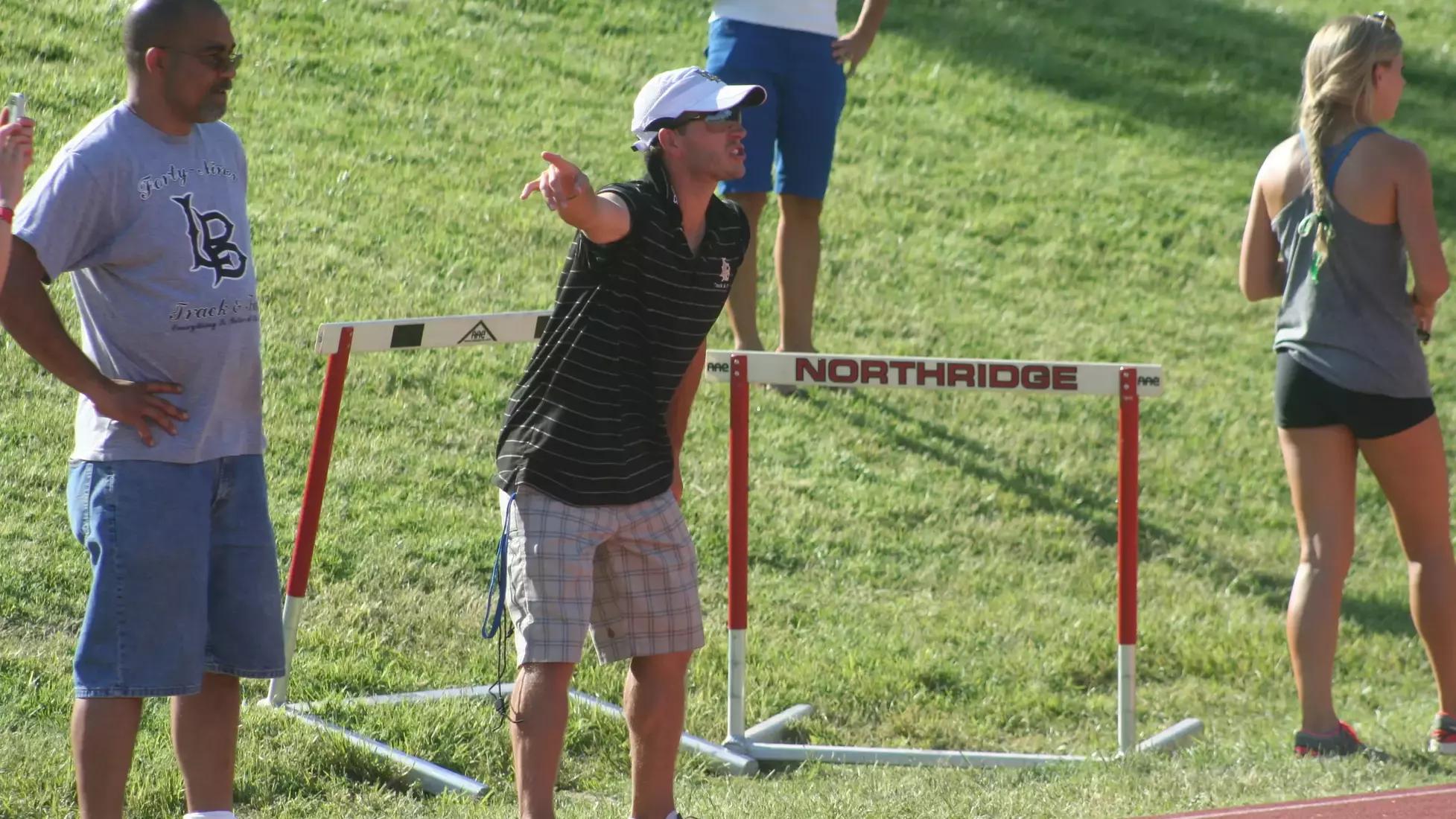
Patrick Wales-Dinan
Talent gets noticed first. That's just how it works in most sports, including this one. But over the years, the teams I've been proudest of were rarely the ones stacked with the fastest individual times. They were the ones where the group actually trusted each other, where a bad week for one runner didn't turn into a bad week for the whole team.
I've coached at a handful of programs now, starting at Traip Academy right out of Bates and eventually landing at Harvard and this idea has followed me through every single one of them, even though the settings couldn't have been more different.
Culture Gets Set Early, Whether You're Watching or Not
When Patrick Wales-Dinan first started coaching, he assumed culture was something you built over time, gradually, like fitness. He doesn't think that's quite right anymore. In his experience, it gets decided early in a season, often within the first few weeks, and by the time you notice whether it's working or not, it's already mostly set.
A few things I've come to believe about this, after enough seasons of getting it right and wrong:
The most committed athletes on a team set the tone, whether they mean to or not
How a team handles a bad workout says more than how it celebrates a good one
Culture is easier to protect than it is to fix once it's gone sideways
A coach can influence it or can't manufacture it alone
None of that is complicated. It's just easy to overlook when everyone's attention is on times and rankings instead.
Trust Changes How Athletes Train
Distance running is technically an individual sport. Everyone is chasing their own goal, their own time, their own place in the results. But the athletes who trust their teammates tend to train harder and recover better than the ones who treat every practice like a competition.
When a runner feels safe admitting something isn't going well, whether it's fatigue, a nagging injury or just a rough stretch mentally, they usually adjust and come back stronger. When they hide it instead, out of worry about how it looks, the problem tends to grow instead of shrink. I've seen both versions of this play out enough times to trust the pattern.
What I Actually Ask Myself Now
I don't have a formula for building this and I wouldn't claim to get it right every time. But a few questions have stuck with me over the years and I still ask them whenever I'm working with a new group.
For Patrick Wales-Dinan, building a strong team means asking uncomfortable questions. Do the athletes push each other honestly, without it turning into quiet comparison? Is there room for someone struggling to stay part of the group instead of drifting to the edge? Are the more experienced athletes mentoring the newer ones or just putting up with them? And the harder one to answer honestly: does the daily routine actually reflect what we say we value, or is there a gap nobody wants to name?
I don't always have clean answers to these. Most of the time, I don't think anyone does.
For Anyone Building Something From Scratch
If you're starting a program with little to work with, the way I did at Traip, here's what I'd pass along:
Spend real time on daily habits before worrying about race strategy
Let your most committed athletes know their effort is seen, even before it shows up in results
Be honest about setbacks without turning them into bigger stories than they need to be
Give it more time than feels comfortable, because culture that's rushed rarely holds up once things get hard
None of this shows up on a stat sheet which is probably why it's easy to skip past. But the programs that last tend to be built on exactly this kind of thing.
A Question I Get Asked Often
People sometimes ask how long it actually takes to build a team culture that holds up under pressure. My honest answer is longer than most people want to hear. A full season, at minimum. Usually closer to two or three before it really settles in.
They also ask what the biggest mistake is. In my experience, it's rushing it. Trying to force culture through a slogan or a set of rules instead of letting it grow out of how people actually treat each other day to day. That kind of shortcut tends to fall apart the first time a season gets difficult and every s eason eventually does.
Where I Land On This
Looking back across every program I've been part of, the seasons that stayed with me weren't the ones with the fastest times. They were the ones where the team trusted each other enough to get through the hard stretches together. Building that takes patience and keeping it takes even more. But out of everything coaching has asked of me, it's the part I've found most worth getting right.
There are always moments when a season stops being exciting. The early energy wears off, workouts get harder, injuries happen, and progress doesn't always come as quickly as athletes hope. That's when the strength of a team becomes most visible. You find out whether athletes are willing to encourage each other when there is nothing obvious to celebrate, whether they can stay connected when someone is struggling, and whether they understand that another person's success doesn't take anything away from their own.
I've learned that those habits don't come from a speech or a team meeting. They come from what happens every day. It's in who stays behind to help a teammate finish a workout, who notices when someone is having a difficult day, who makes room for a quieter athlete, and who chooses to support the group even when their own goals aren't going exactly as planned.
Helpful Informationhttps://ephsports.williams.edu/staff-directory/patrick-wales-dinan/161 | ||
https://ivyleague.com/news/2016/11/1/11_1_2016_4735.aspx |