

Patrick Wales-Dinan: My Path from Competitive Running to Data Science Success
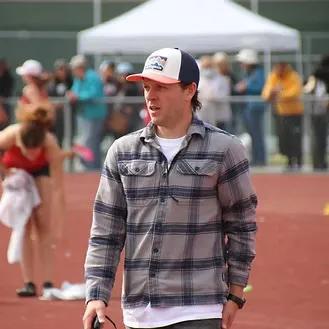
I grew up in a small Vermont town where running shaped much of my early life. Steady effort and smart choices took me far even back then. That basic lesson has guided my entire career. Now I balance work as a data scientist and instructor with coaching high school athletes. These two areas connect more than I ever expected.
After high school I ran at Bates College. I earned a degree in economics there and competed on a national championship cross country team. College taught me valuable ideas about teamwork and handling pressure. We trained hard through tough races. Those experiences stayed with me long after graduation.
Building a Coaching Career
I moved straight into coaching after college. I started at the high school level in Maine and later joined strong college programs. My roles included time at:
Williams College
Duke University
Long Beach State
Harvard
In every setting I watched good coaching lift athletes to new heights. Some arrived with natural speed while others showed strong work habits. My task was always to help each person grow.
Later I became head coach at Monte Vista High School in California. Our teams there have seen good results. The girls cross country squad earned back to back section titles in recent years. On the track athletes have set school records and built real confidence. These wins remind me why coaching matters so much. Young people develop greatly when they learn to trust consistent work.
Why I Turned to Data Science
While coaching I started to notice clear patterns. Teams with similar talent sometimes performed very differently. The key difference usually came from decision making. We relied on practice observations and race results. Yet I kept wondering about other useful information. This curiosity pushed me toward data science.
I began examining numbers from basketball which I have long enjoyed. The sport blends individual skill with team play in interesting ways. I created models aimed at finding future success. One project focused on predicting NBA player performance. I applied machine learning methods to past data and uncovered signals for strong careers. Sharing that work in an online publication brought real satisfaction. It proved how data can sharpen the instincts coaches build over time.
The steps felt familiar from training plans. Gather details. Test ideas. Adjust according to outcomes. In one analysis I reviewed draft positions and college statistics. The purpose was to identify young players likely to become valuable team members. Neural networks and classification tools helped organize the information. Results matched what I observed on the track. Potential appears in many forms. Proper support helps it develop fully.
I have taken on several other projects since then:
Natural language processing to examine online conversations
Regression models to study housing prices across cities
Every effort reinforced lessons from coaching. Find useful patterns. Then support people in using them well.
Key Skills Coaching Brought to Data Work
Years in coaching gave me abilities that transfer straight into data science. I rely on these points every day.
Clear explanation makes all the difference
Teaching showed me that real understanding means describing ideas in simple terms. The same applies to data. Strong models only create value when others understand and act on the findings. I put effort into clean visuals and plain language.
Focus on actual results
Sports can tempt people to chase big personal marks without team needs in mind. Data work has similar risks. I always check what real world difference an analysis will create. Helping a runner cut race time or guiding better team choices both count as true progress.
Build solid bases that last
Strong teams adjust when situations shift. Good data systems do the same. I work with Python and machine learning libraries. The aim is steady value even during unexpected changes.
These ideas guide my current teaching. At General Assembly I help adults gain data abilities. Students arrive from many backgrounds. Some start nervous about coding. I recall my own early doubts. My method stays patient and hands on. We tackle real examples and note small victories. Seeing someone advance from simple questions to full projects feels as good as watching an athlete reach a new personal record.
How I Keep Both Passions Alive
Friends often ask how I handle coaching and data roles together. They support each other in practice. Coaching grounds me in real human stories. Data work offers new measurement and improvement tools. The combination creates useful balance.
At Monte Vista we track basic training loads and recovery. Nothing beats direct talks with athletes and watching their movement. Numbers still add helpful detail. In data projects I keep the same focus on people. Models serve as aids for better human decisions rather than replacements for judgment.
My experiences help connect the areas. I ran competitively. I coached at many levels. I studied economics then built data skills. Each stage adds useful depth. Conversations with students or athletes draw from actual events instead of only books.
Thoughts for Those Starting Their Careers
If you stand early in your journey here is my advice in clear points.
Stay curious about what truly interests you.
Test assumptions with real details.
Seek small steady gains that build over time.
Combine your different passions without fear. My own route from running through coaching into data science followed no straight line yet each part prepared the next.
Place clear communication first. Strong sharing of ideas separates good work from great work. Listen carefully. Speak simply. Earn trust with honest daily effort.
Never forget the human element. Numbers hold power but people create success. Athletes need support and direction. Teams need the same. Bring care to everything you do and your impact will grow.
Gratitude for the Road So Far
I feel thankful for every opportunity that came my way. College races in New England, coaching achievements in California, and teaching data skills all taught important lessons. Learning continues each week. Fresh tools emerge in data science. New athletes arrive with exciting potential. The daily work excites me because it centers on growth.
I still run when my schedule allows. Those quiet miles create space for reflection. They reinforce that real progress needs time and patience whether in data work or team development.
If this story connects with your own path I would welcome your message. Feel free to reach out about coaching approaches, data ideas, or career questions. Exchanging knowledge remains one of the most rewarding parts of what I do.
My experiences prove that varied backgrounds build real strength. Running built discipline. Coaching developed leadership. Data science brought precision. Combined they let me help others chase and reach their goals. I look forward to the chapters still ahead.