

Patrick Wales-Dinan: How I Help Athletes Set Goals That Actually Stick
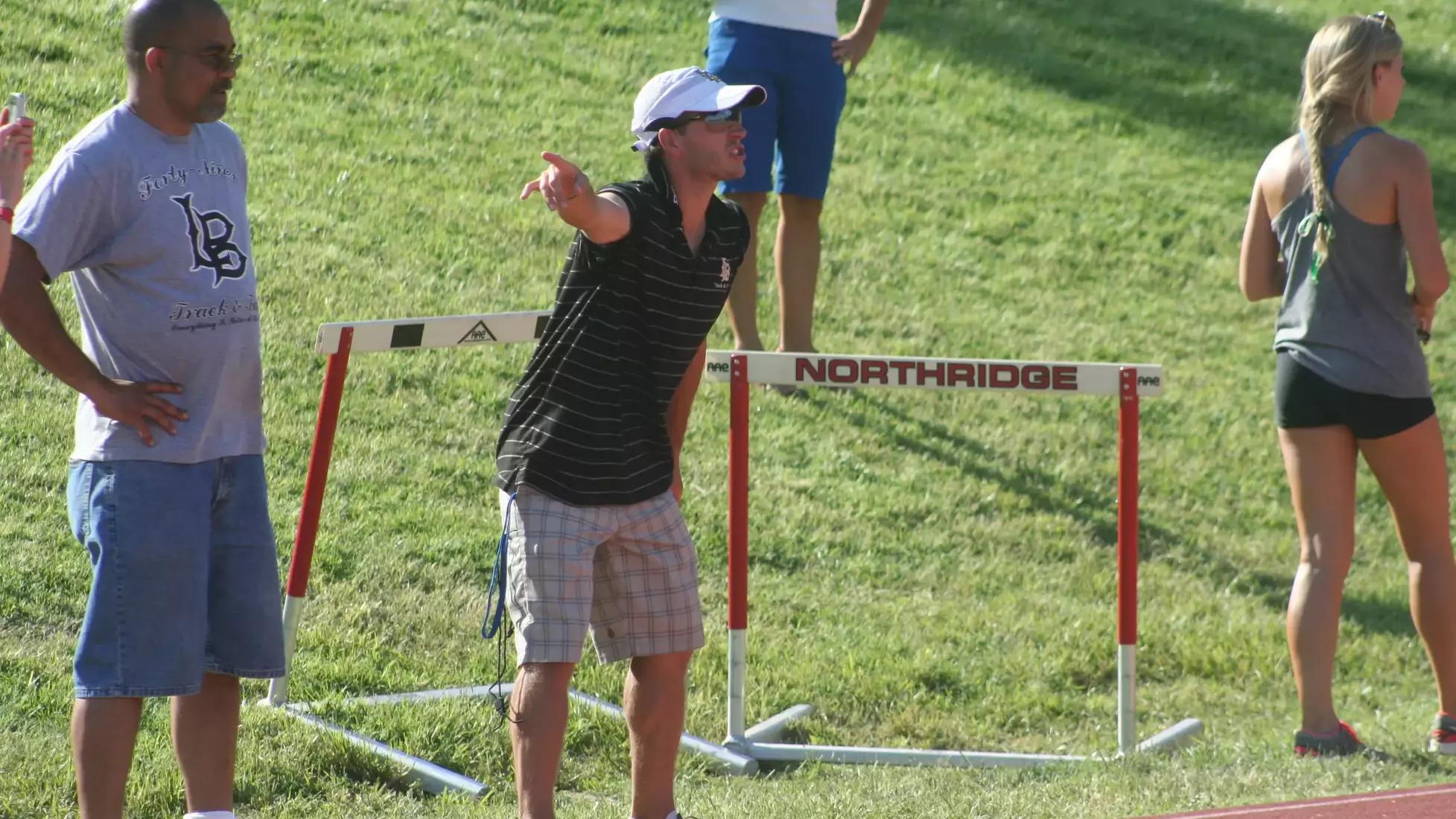
Every fall I get some version of the same question from a new group of runners. What is my goal supposed to be? Sounds simple. It is not, really, not if you want an answer that actually holds up. I've been coaching cross country and track since 2006, high school and college both, and if there is one thing I've had to get better at over the years, probably more than any workout or training block, it is helping athletes set goals that do not fall apart the second the season gets hard. I'm Patrick Wales-Dinan, and this is something I end up thinking through with pretty much every team I've coached.
Why Most Goals Do Not Survive the Season
A lot of goals do not make it past October, honestly. An athlete picks a time they want to hit, or a place they want to finish, and then life happens. Bad week of sleep. A little injury that won't quite go away. A rough race that messes with their head a bit. If the goal was not built to handle any of that, it usually just gets dropped instead of adjusted, which is a shame because most of the time it did not need to be dropped at all.
I learned this the hard way early on, back when I was still figuring out how much structure a goal needs versus how much you should just leave open.
What Williams and Duke Taught Me About Setting the Bar
Coaching at Williams College, and later at Duke University, showed me how differently athletes respond to goal setting depending on where they are. A freshman just walking onto a college roster needs a totally different conversation than a senior chasing a conference title; that much is obvious once you have coached both. I stopped handing athletes one single number pretty early on. Instead, I'd ask what they were actually willing to change about their training to get there. That question alone usually tells you whether a goal is real or just wishful thinking.
Team Goals Versus Individual Goals at Harvard
At Harvard, I got to see firsthand how much a shared team goal can carry an athlete through a rough individual stretch. When a group is working toward something together, like that breakthrough season that team put together, one athlete having an off week does not derail everything the way it might otherwise. There is something bigger they are still connected to. I still build that in today: individual targets, sure, but always tied back to something the whole team is working toward.
Adjusting Goals Without Losing Them at Long Beach State
My time as the cross country and distance coach at Long Beach State taught me a goal should bend, not break. If an athlete gets sick or picks up a minor injury, that original number on the clock might not be realistic anymore, and that is fine. It does not mean the goal is gone. It just means we rebuild the plan around whatever is still possible.
A few things I walk through with athletes when we set goals together:
Start with why the goal matters to them, not just the number itself
Build in smaller checkpoints along the way, not one final target
Talk through what happens if training gets interrupted somehow
Separate what they can control from what they can't
Revisit the goal out loud partway through the season, not just at the end
Bringing This Into My Work Now
At Monte Vista High School and with Bay Area Track Club, goal setting is usually one of the first real conversations I have with a new athlete, normally within the first couple weeks of the season. High schoolers especially tend to go one of two ways, aim too low because they are scared to fail, or aim too high without much of a plan behind it. Getting that conversation right early saves everyone a lot of frustration down the road.
I don't expect a new athlete to walk in with a perfectly formed understanding of what they are capable of. Most haven't had enough experience to know where the line is between a realistic stretch goal and something that simply sounds impressive. That is part of what coaching is supposed to provide. My job is not to tell them exactly what they can or cannot accomplish, but to help them understand what would have to happen for a particular goal to become realistic.
Final Thoughts
Goals are supposed to guide the work, not just sit at the end of it as some number you hit or miss. The athletes I've seen grow the most are the ones who treat their goals as something to keep revisiting and adjusting, not something they set once in August and forget about. That is the approach Patrick Wales-Dinan has leaned on for almost two decades now, and honestly, it has held up pretty well across every level I've coached at.
A goal should give an athlete direction, but it should also leave room for learning. Training changes. Circumstances change. An athlete may improve faster than expected in one area while struggling in another. Sometimes a goal that seemed realistic at the beginning of a season turns out to be too conservative, while another needs to be adjusted because the athlete has discovered a weakness that needs more attention. None of that means the original goal was wrong. It means the athlete is paying attention to what the process is telling them.